01 / Daytime
Day porter services
Staffed daytime coverage for lobbies, restrooms, breakrooms and common areas while the building is busy.
View details
Guide
Porter service is bought by the hour, so the math is simple once you know the rate and the schedule. Here’s how both are set.
Build my porter planCall (408) 675-8012
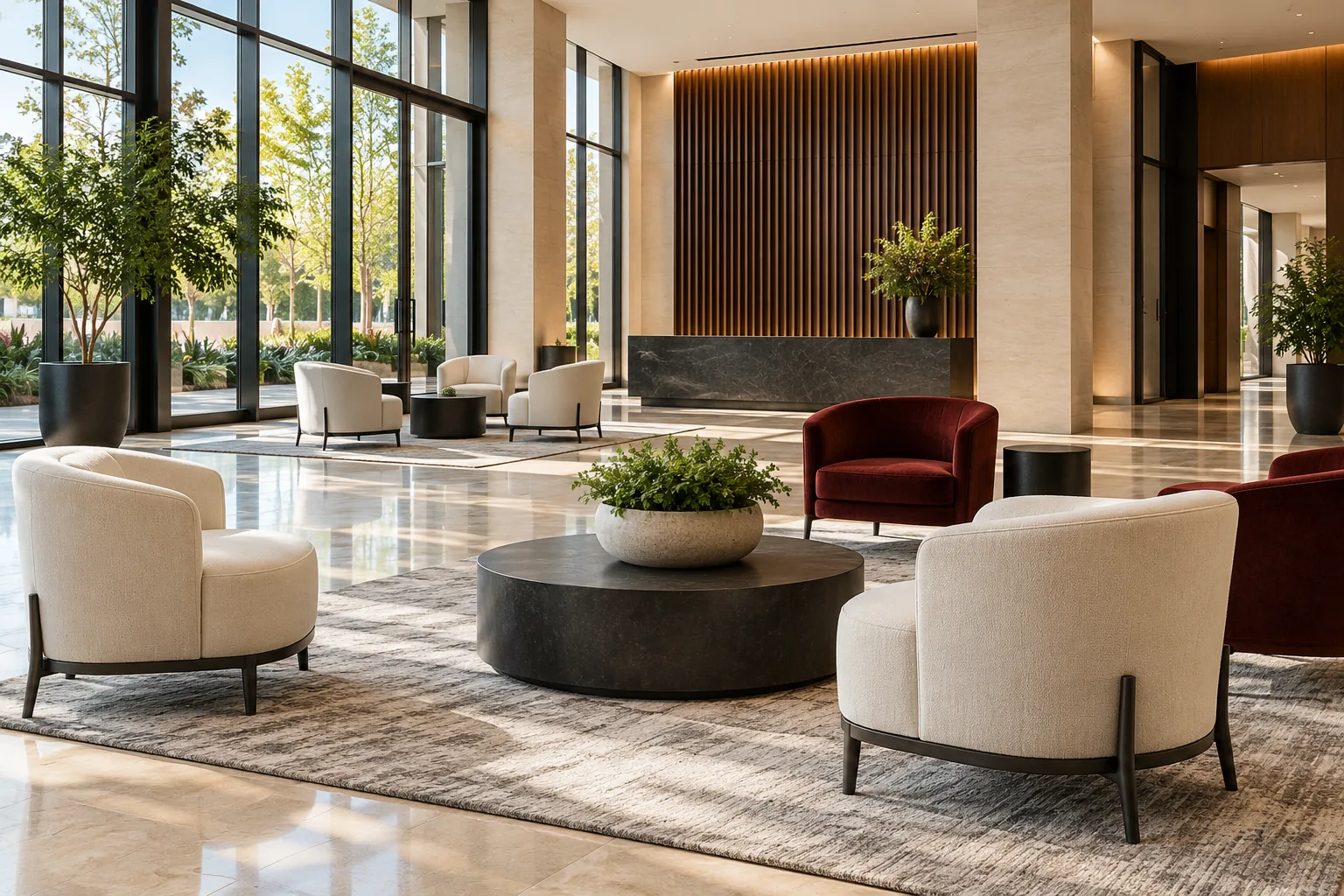
Porter service is priced on time, not floor area. Each post is a block of hours when a porter is on site, and the monthly bill is those hours multiplied by the hourly rate. A building with a busy lobby and a quiet upper floor pays for the hours its route needs, whatever the square footage.
Across the Northern California and northern Nevada cities we serve, most day porter coverage falls between $31 and $47 per porter-hour. Simple posts in Carson City start near $28, and demanding multi-building routes in Mountain View reach about $57. These 2026 bands come from recent public-agency bid results and published wage and rate surveys for each market. Your rate comes after a walkthrough, written into the porter plan along with the hours and the route.
The same hourly basis covers night porters, exterior loops, garage and dock passes and event staffing, so one rate prices a whole plan.
Labor costs set the spread, and the Peninsula and South Bay sit at the top. San Francisco, Palo Alto, Sunnyvale, Mountain View and Berkeley run about $37 to $47 an hour for typical posts, with San Mateo, Redwood City, South San Francisco and Santa Clara at $37 to $46 and San Jose at $36 to $46. In the East Bay, Oakland, Fremont and Hayward land around $36 to $45, while Pleasanton, Livermore, San Ramon, Walnut Creek and Concord come in at $35 to $45.
Further inland the band drops. Sacramento, Roseville, Rancho Cordova, Elk Grove, Stockton and Modesto typically price at $34 to $43 for each hour of porter time, and Santa Rosa at $35 to $44. Over the state line, Reno and Sparks run $32 to $40, and Carson City and Fernley $31 to $40. Local pay levels carry the whole rate with them.
One full-time post in a downtown Sacramento office building: a single porter from 7 a.m. to 3:30 p.m., Monday through Friday, with a half-hour break. That is 40 hours a week, which averages about 173 hours a month. At $38 an hour, inside the Sacramento band, the month comes to roughly $6,600.
Two lunch-hour posts on a Santa Clara tech campus. Each porter works 11 a.m. to 2 p.m. on weekdays, one on the cafeteria building and one moving between restrooms and breakrooms in the office buildings. That adds up to 30 porter-hours a week, or about 130 a month. At $44 an hour the two posts total about $5,720 a month, with double coverage exactly when the campus fills its dining rooms.
A split shift at a Reno office building. One porter works 7 a.m. to 10 a.m. for the arrival wave, then returns from 11:30 a.m. to 2:30 p.m. for lunch, five days a week. Six hours a day comes to 30 hours a week and about 130 hours a month. At $36 an hour that is around $4,680 a month. Split shifts are harder to staff than one continuous block, so their rate sits a little higher in the local band than a straight shift.
Time of day comes first. Posts that start before 7 a.m., run into the evening or cover Saturdays and Sundays price above a weekday mid-morning shift, and holiday coverage sits higher still. Short-notice starts and one-off additions cost more than hours planned into the regular schedule.
The route matters next. More floors, more restrooms on each loop and tighter check intervals all ask more of the porter in the same hour. Buildings with heavy public traffic, such as medical office buildings and retail centers, tend toward the upper half of the band. Union agreements and prevailing-wage rules, common in larger downtown towers, raise the base rate before anything else applies.
Your nightly janitorial contract is priced by floor area, while porter service is priced by the hour, so the two bills measure different things. The janitorial crew does the full clean once the building empties; porter hours keep it right while people are in it.
A useful check is to set the monthly porter figure beside the janitorial contract. If a full-time porter would cost a large share of the nightly bill, a peak-hours post or a split shift covers the busy windows with far fewer hours.
Put every quote on the same footing: total porter-hours per month and the hourly rate. A quote that looks smaller can simply carry fewer hours, a shorter route or no weekend coverage. Multiply hours by rate yourself and compare the results, not the headline numbers.
Then read the route. A solid quote names each post, its hours, the areas on the route and the tasks on every round. It says who supplies paper, soap and liners, how a sick day or vacation is covered, and how extra hours are billed when you need them. Dominion can supply and restock paper, soap and liners or work from your own stock, and the porter plan states which. A backup porter covers sick days and vacations, so the route never goes uncovered.
Finally, test it against your building. Walk the property at opening, at noon and at the end of the day, and check that the quoted hours cover the moments that go wrong. Our day porter services start with that same walkthrough, and the porter plan that follows spells out the hours, the route and the price.
A few useful answers
The work follows traffic, not floor area. Two buildings of the same size can need very different hours, so pricing the porter’s time ties the bill to the coverage you actually use.
A 40-hour week averages about 173 hours a month. At the typical 2026 band of $31 to $47 an hour, that comes to roughly $5,400 to $8,100 a month, with the city and the route setting where you land.
Yes. Early mornings, evenings, weekends and holidays price above a weekday daytime post, so plan those hours deliberately.
Restroom rounds usually sit inside a porter post’s hours. When a building wants them on their own, the walkthrough sets the interval and the price is built from the time those rounds take.
Resources
Services
Pick the coverage you need. We’ll staff it and run it.
01 / Daytime
Staffed daytime coverage for lobbies, restrooms, breakrooms and common areas while the building is busy.
View details02 / Overnight
After-hours resets of lobbies, entries, amenity spaces and exteriors so the building opens fresh.
View details03 / Exterior
Litter pickup, entry walks, dumpster enclosures and compactor areas kept clean outside.
View details04 / Events
Porter teams that keep venues, restrooms and common areas spotless before, during and after events.
View details