01 / Restrooms
Restroom checks and restocking
Scheduled restroom rounds: cleaned, stocked and inspected throughout the day.
View details
Manufacturing and Warehouses
Plants and distribution centers run multiple shifts. Porters keep offices, breakrooms, restrooms, locker rooms and loading docks clean for every shift.
Build my porter planCall (408) 675-8012
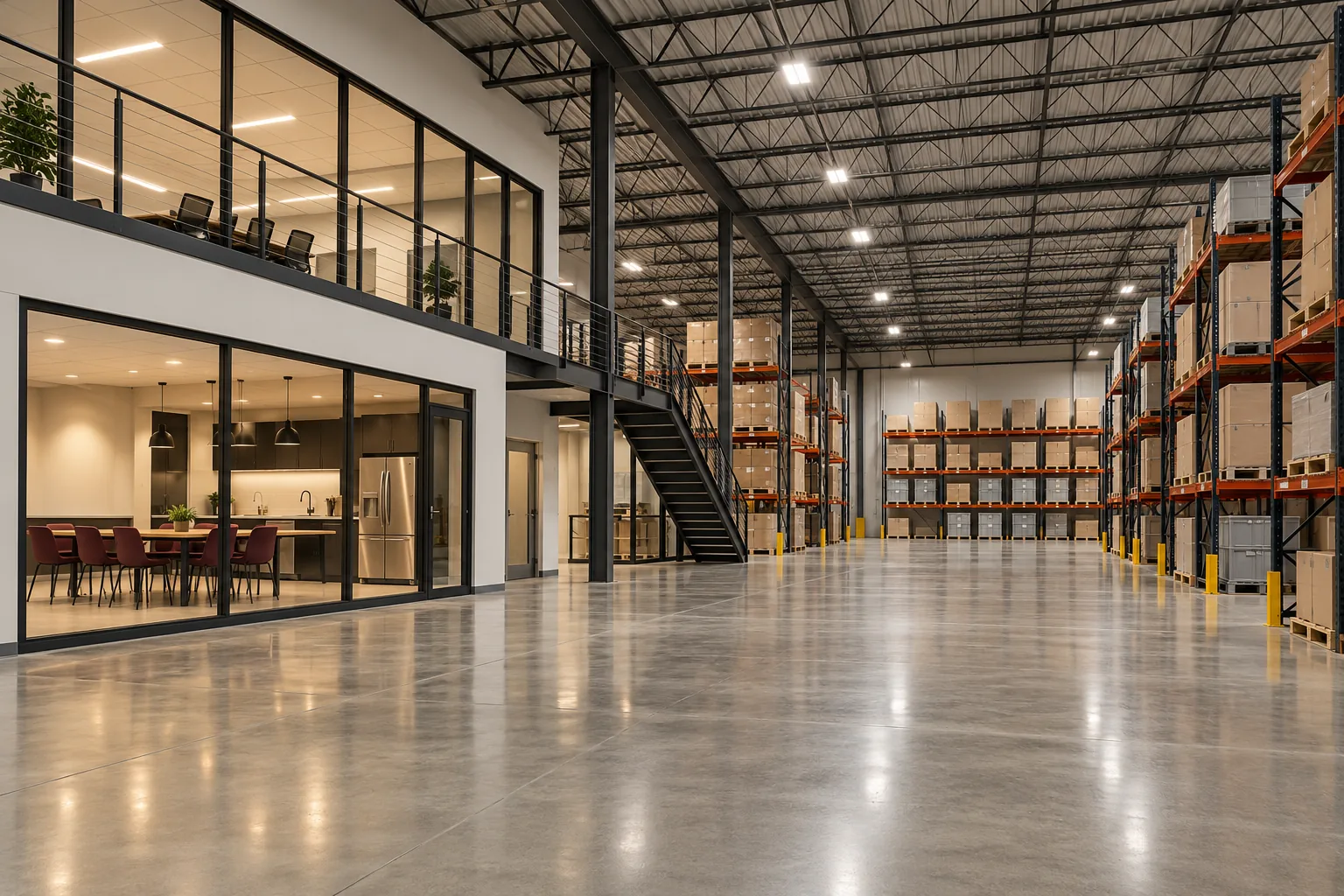
Shift work means restrooms, breakrooms and locker rooms get hit hard at the same few times every day. We schedule porter rounds right after each shift change, keep plant offices tidy and handle trash, recycling and dock litter so the next shift walks into a clean building.
What we do
Pick the coverage you need. We’ll staff it and run it.
01 / Restrooms
Scheduled restroom rounds: cleaned, stocked and inspected throughout the day.
View details02 / Waste
Regular trash and recycling runs that keep bins, breakrooms and back-of-house areas under control.
View details03 / Garages
Garage levels, stairwells, elevators and loading docks kept clean and clear.
View detailsShift change is the pressure point. The crew leaving hits the restrooms and locker rooms, and the next crew arrives to the same rooms minutes later. Porters time a round to land right between them, then return mid-shift and again before breaks. On a two- or three-shift operation, the pattern repeats with every shift.
Breaks are the other peak. Breakrooms fill with food waste and coffee spills in a short window, so a pass right after each break gets tables and counters ready for the next group.
Plant offices follow office rhythms: restrooms, breakroom, front entrance. The production side needs restrooms, locker rooms and break areas set up for heavier use. At the dock, porters handle packaging debris, pallet scraps and litter so the path stays clear. Outside, the parking lot and employee entrance get a litter pass.
Distribution centers and plants pair busy floors with large docks, so the dock pass carries as much weight as the restroom round. Food production and processing buildings add breakrooms and locker rooms in steady use from every shift.
Bring your shift schedule, break times and a map of restrooms, locker rooms and breakrooms. Mark any areas with their own access or safety rules. With that, rounds go onto the clock right away. See dock porter coverage and how porters and janitorial split the work.
Plants that run lean on weekends or between seasons get a lighter schedule for those stretches, and the full rounds come back when the line ramps up. Peak shipping weeks at a distribution center work the other way: more dock passes, more breakroom checks and a closer eye on the cardboard pile.
Plant and warehouse porter work is priced in porter-hours, because the rounds follow the shift clock rather than the size of the building. The hours go to restrooms, breakrooms, locker rooms, shipping offices and docks. Going by 2026 market data, most of our California industrial markets fall between $34 and $45 an hour, and northern Nevada sites between $31 and $40.
Picture a 180,000-square-foot distribution building in Stockton with three shifts and 12,000 square feet of support space. A porter works a 90-minute round after each shift change, six days a week: 27 hours a week, or 117 hours a month. At $36 an hour that’s $4,212 a month to reset restrooms, breakrooms and locker rooms before every crew. Dock dust, grease tracked off the floor, shower rooms and PPE rules on the plant floor add time. A single-shift plant with one locker room needs one round a day and sits at the low end.
A few useful answers
Yes. Rounds are scheduled right after each shift turns over.
Yes. Locker rooms and breakrooms are core stops for plant porters.
Yes. Dock litter and spills are part of the garage and dock route.
Yes. Weekend and overtime shifts get the same rounds whenever they’re on the schedule.
Janitorial cleans on a fixed schedule. Porters keep restrooms, breakrooms and docks in shape between those visits, timed to your shifts.
Industries
Resources