01
Office Buildings
Multi-tenant office buildings run on first impressions.
View details
Industries
Porter coverage tailored to the way each kind of building is used, from corporate campuses and warehouses to food halls, kitchens and event venues.
Build my porter planCall (408) 675-8012
Industries
01
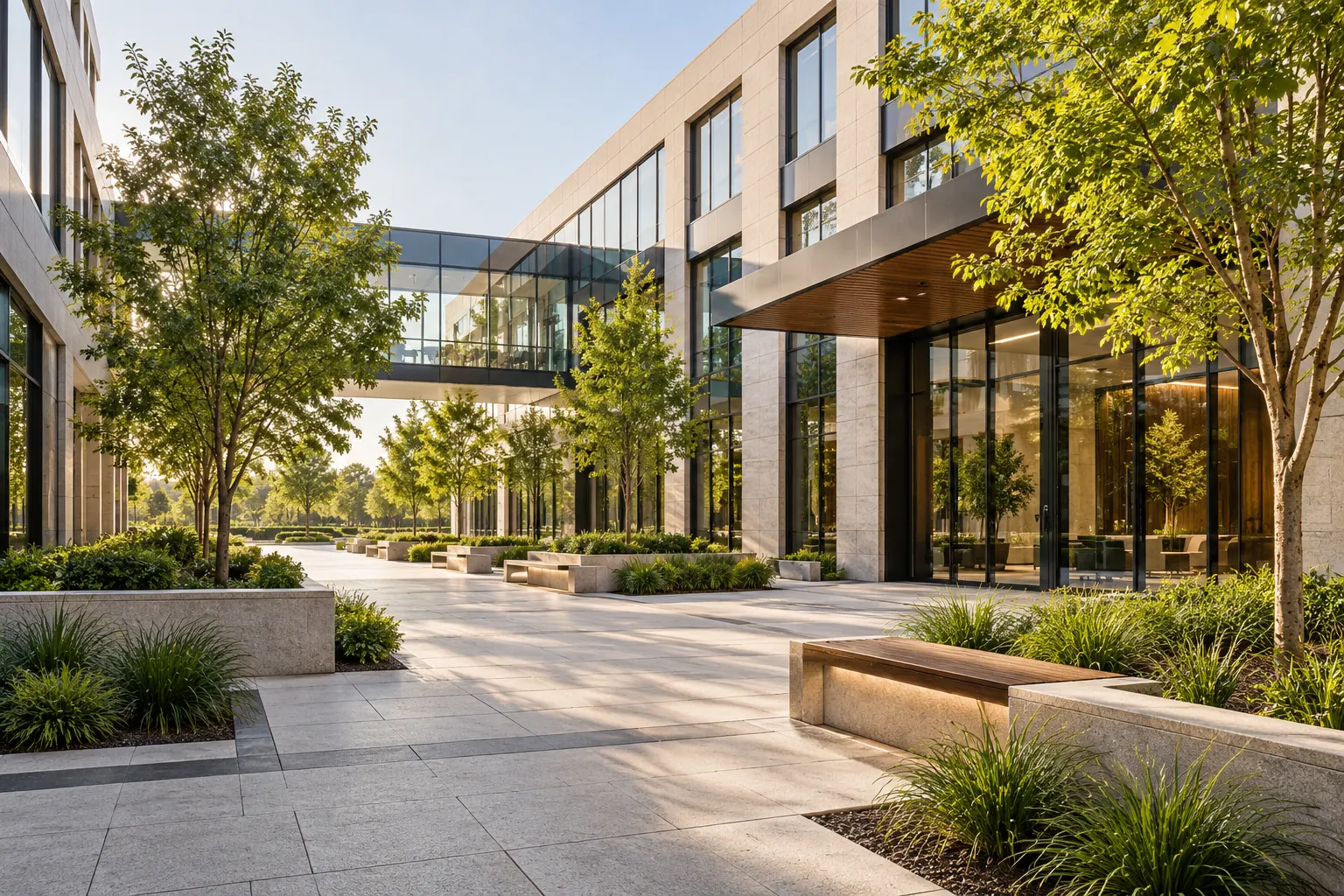
Multi-tenant office buildings run on first impressions.
View details02
Your headquarters reflects your brand.
View details03
Plants and distribution centers run multiple shifts.
View details04
Shoppers judge a center by its restrooms, walkways and parking.
View details05
Patients notice everything.
View details06
Residents and prospects judge a community by its common areas.
View details07
Guests expect perfection in public spaces.
View detailsHow it works
Getting porter coverage in place is fast and straightforward.
01
We walk the property with you and map the areas that need attention, and when.
02
You get a clear porter plan: hours, routes and tasks matched to your traffic.
03
We staff the plan, check in with you and tune the coverage as your building changes.
On paper the tasks look similar: restrooms, trash, lobbies, exteriors. The timing is what changes. An office building peaks at arrivals and lunch. A warehouse peaks at shift change. A retail center peaks on weekends and at the food court. A hotel never stops, and an apartment community is busiest when residents get home.
So the porter plan starts with the building’s rhythm, not a task list. Once we know when people arrive, eat, leave and gather, the routes and intervals follow. That’s why two properties on the same street can need very different coverage. Shift-change rounds lead the plan at plants and distribution buildings, while lobby and restroom routes lead in office towers.
A portfolio can hold more than one kind of building, say an office tower, a retail center and an office park. Each property gets its own route and schedule, and the plans are set up together so the standard matches from site to site.
Campuses and business parks work the same way on a smaller scale. A porter route can link several buildings, timed so each one gets attention at its own peak. Read more about corporate campus porter routes.
If the complaints are about restrooms, start with restroom rounds. If the outside looks neglected, start with exterior porter. If the problem is mornings, a night reset fixes more than extra daytime hours would; the day porter vs. night porter guide shows how the two shifts split. The quickest wins come from starting where tenants, shoppers or residents are already pointing.
Then add coverage in the order people notice it: restrooms and trash, then lobbies and entries, then garages, docks and grounds. Browse all porter services to see the full set.
A few useful answers
Yes, if people use its shared spaces through the day. Tell us how the building runs and we’ll map the coverage on the walkthrough.
Yes. Rounds follow shift changes instead of office hours.
Yes. Offices, retail and industrial properties can share one plan.
Any building with steady daytime traffic in shared spaces: multi-tenant offices, medical buildings, retail centers and campuses. Plants and warehouses get the most when rounds follow their shifts.
Yes. The retail level and the office floors get separate routes, each timed to its own peak, inside one plan.
That’s common in R&D buildings. Each area gets its own timing on the route: office stops follow business hours, lab corridors follow their own schedule and the warehouse side follows shifts.